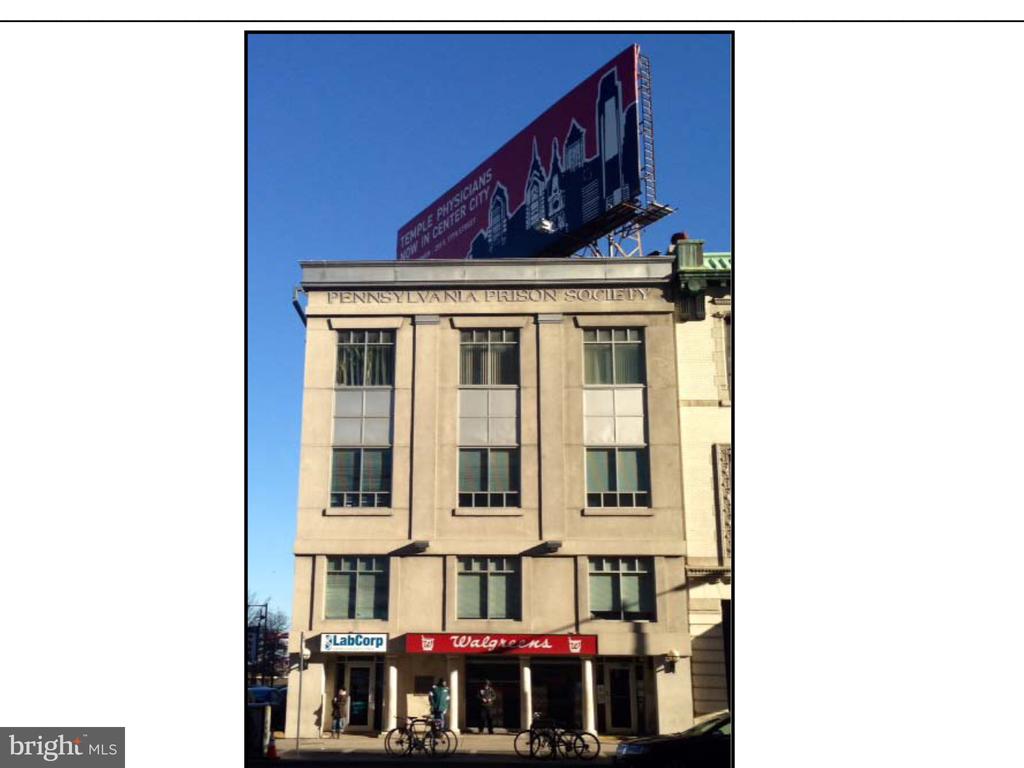
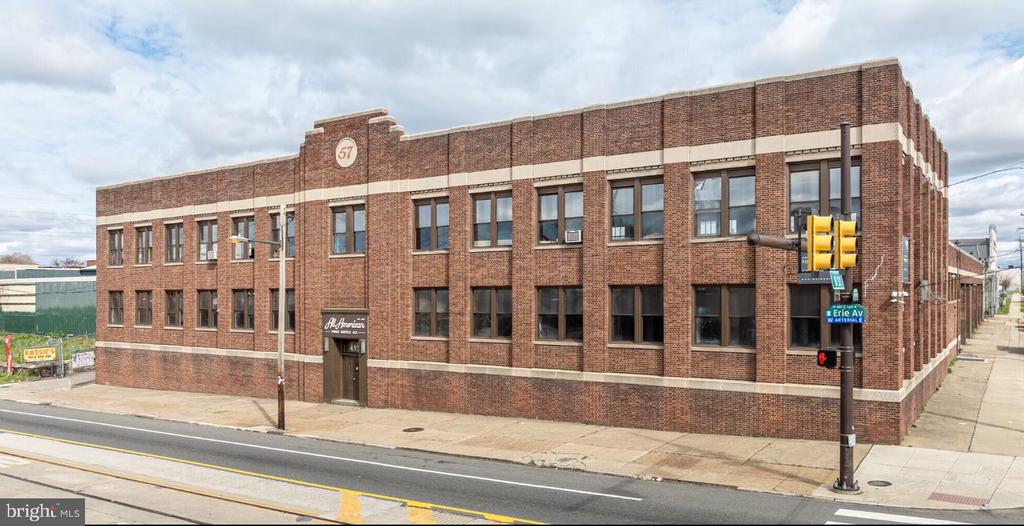
Offices:
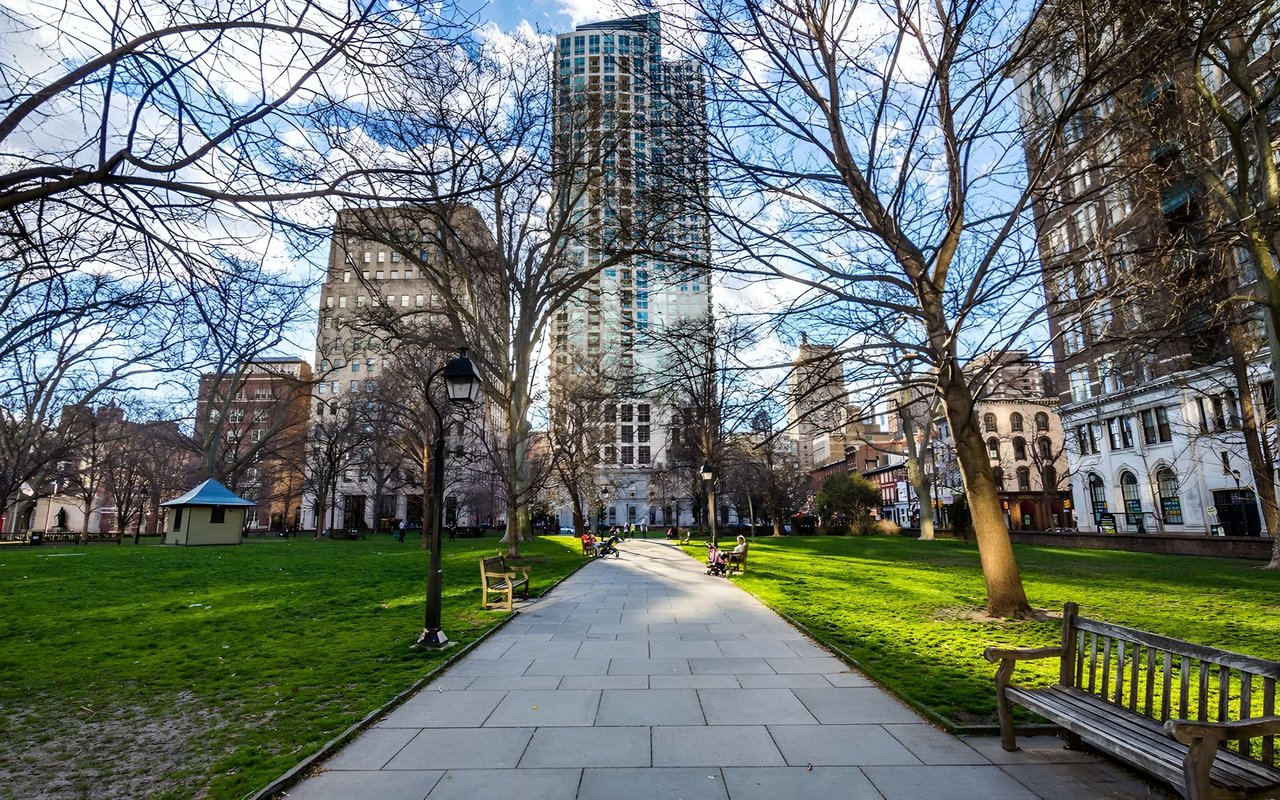
Welcome to
Washington Square
Initially, the square contained monuments to those who had fought in the American Civil War.
Washington Square, originally designated in 1682 as Southeast Square, is an open-space park in Center City Philadelphia's southeast quadrant and one of the five original planned squares laid out on the city grid by William Penn's surveyor, Thomas Holme. It is part of both the Washington Square West and Society Hill neighborhoods. In 2005, the National Park Service took over ownership and management of Washington Square, through an easement from the City of Philadelphia. Washington Square is now part of Independence National Historical Park.
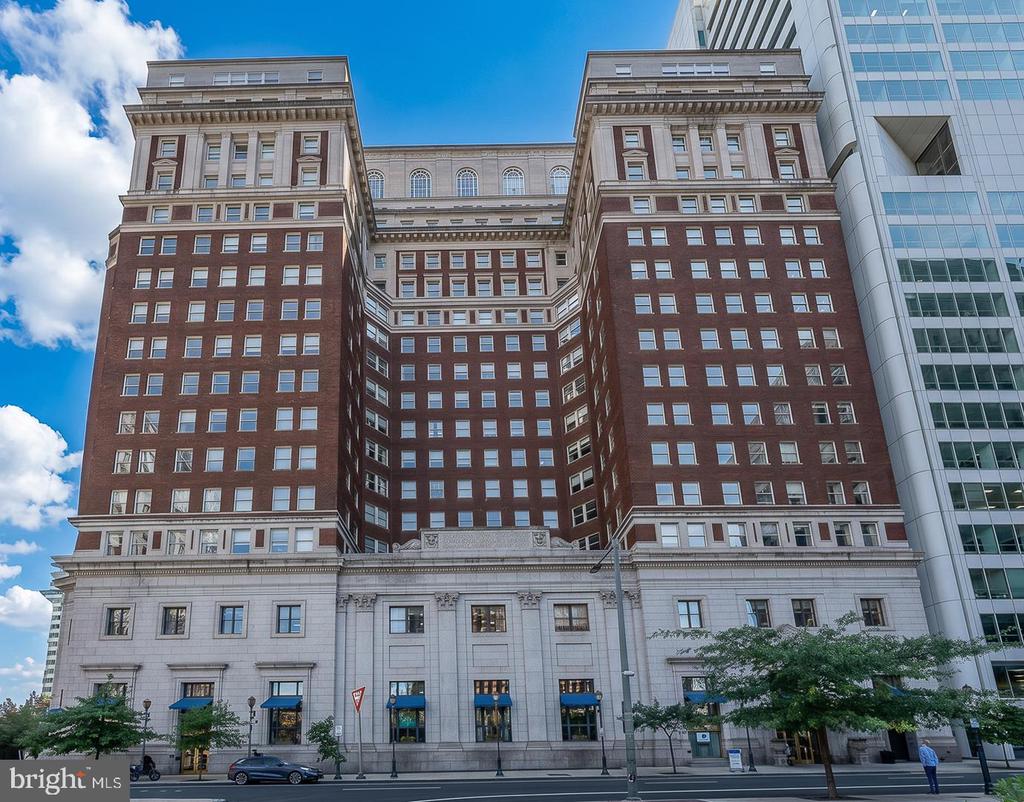
During the 18th century, the Square was used to graze animals and for burials by city's African American community and as a potter's field, much like the park of the same name in New York's Greenwich Village. During the Revolutionary War, the square was used as a burial ground for citizens and troops from the Colonial army. After the Revolution, victims of the city's yellow fever epidemics were interred here, and the square was used for cattle markets and camp meetings. Improvement efforts began in 1815, as the neighborhoods around the square were developed and became fashionable. In 1825, the park was named Washington Square in tribute to George Washington and a monument to Washington was proposed. This monument was never built but served as the seed for the eventual tribute to soldiers of the Revolutionary War. The Curtis Building sits to the north of the park, a remnant of Philadelphia's publishing industry. Washington Square was the site of the first human flight in the Americas in 1793 when Jean Pierre Blanchard ascended in his hot-air balloon from the Walnut Street Jail.
Initially, the square contained monuments to those who had fought in the American Civil War. One such monument was the Washington Grays Monument. In 1954, the decision was made to remove the civil war commemorations and focus the square solely on the memory of the Revolutionary War.
During a 1952 renovation of the square, it was decided that, instead of the original proposed monument to Washington, a monument to all soldiers and sailors of the Revolutionary War would be built. The monument was designed by architect G. Edwin Brumbaugh.
A sycamore tree in the square, planted in 1975, was a Moon tree: it was grown from seeds that had been carried to the moon by astronaut Stuart Roosa on the Apollo 14 mission. It died around 2008.
13,339 people live in Washington Square, where the median age is 33 and the average individual income is $84,185. Data provided by the U.S. Census Bureau.
Total Population
Median Age
Population Density
Average individual Income
There's plenty to do around Washington Square, including shopping, dining, nightlife, parks, and more. Data provided by Walk Score and Yelp.
Explore popular things to do in the area, including Cosmi Bakery, HolisticKonnect, and SKNDUSTRY.
| Name | Category | Distance | Reviews |
Ratings by
Yelp
|
|---|---|---|---|---|
| Dining | 0.47 miles | 0 reviews | 0/5 stars | |
| Active | 0.16 miles | 0 reviews | 0/5 stars | |
| Beauty | 0.26 miles | 0 reviews | 0/5 stars | |
| Beauty | 0.26 miles | 0 reviews | 0/5 stars | |
| Beauty | 0.47 miles | 0 reviews | 0/5 stars | |
|
|
||||
|
|
||||
|
|
||||
|
|
||||
|
|
||||
|
|
Washington Square has 7,812 households, with an average household size of 2. Data provided by the U.S. Census Bureau. Here’s what the people living in Washington Square do for work — and how long it takes them to get there. Data provided by the U.S. Census Bureau. 13,339 people call Washington Square home. The population density is 52,051 and the largest age group is Data provided by the U.S. Census Bureau.
Total Population
Population Density Population Density This is the number of people per square mile in a neighborhood.
Median Age
Men vs Women
Population by Age Group
0-9 Years
10-17 Years
18-24 Years
25-64 Years
65-74 Years
75+ Years
Education Level
Total Households
Average Household Size
Average individual Income
Households with Children
With Children:
Without Children:
Blue vs White Collar Workers
Blue Collar:
White Collar:
Explore Other Neighborhoods
OFFICES:
OFFICES: