Offices:
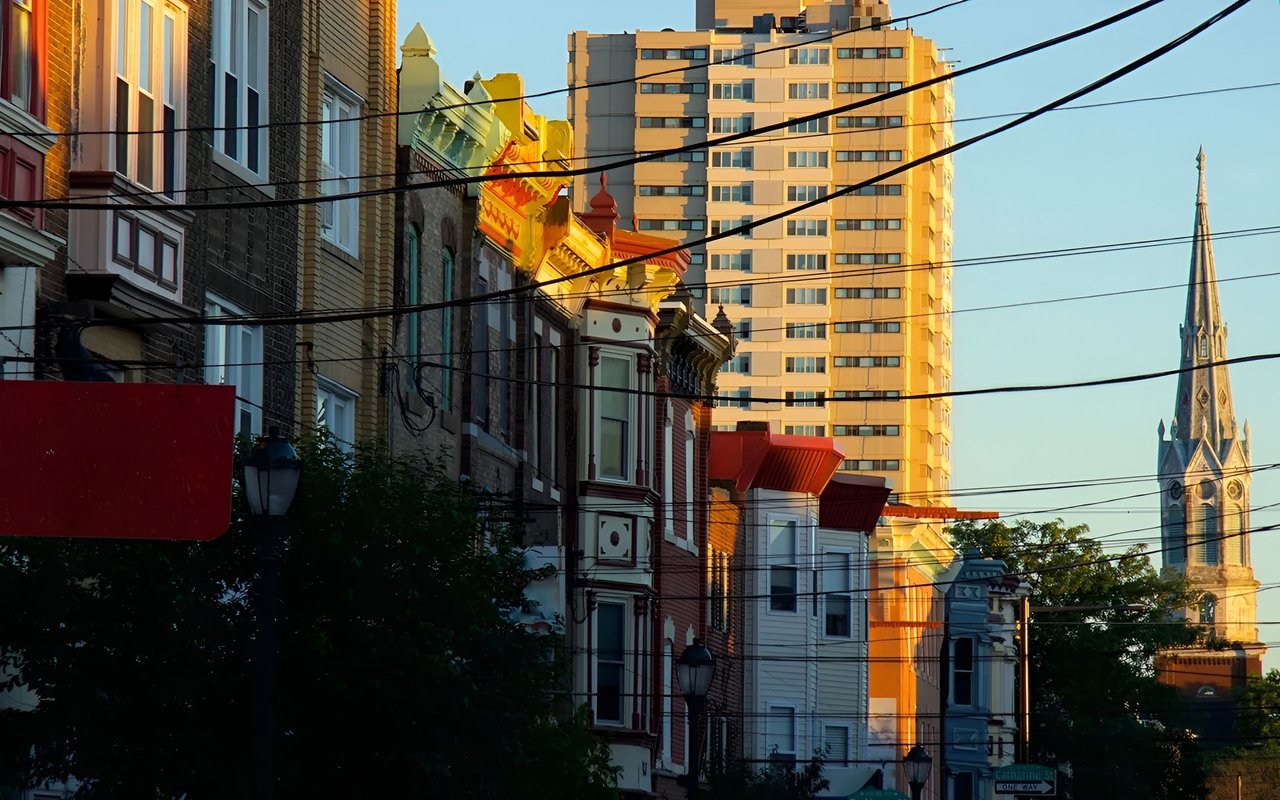
Welcome to
Queen Village
It shares boundaries with Society Hill to the north, Bella Vista to the west, and Pennsport to the south.
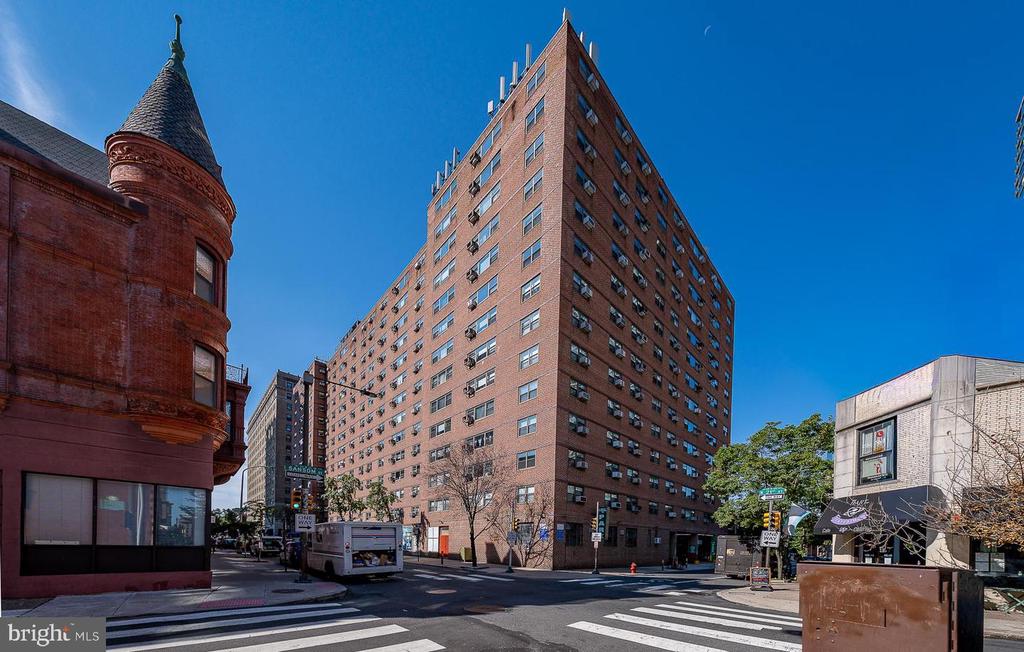
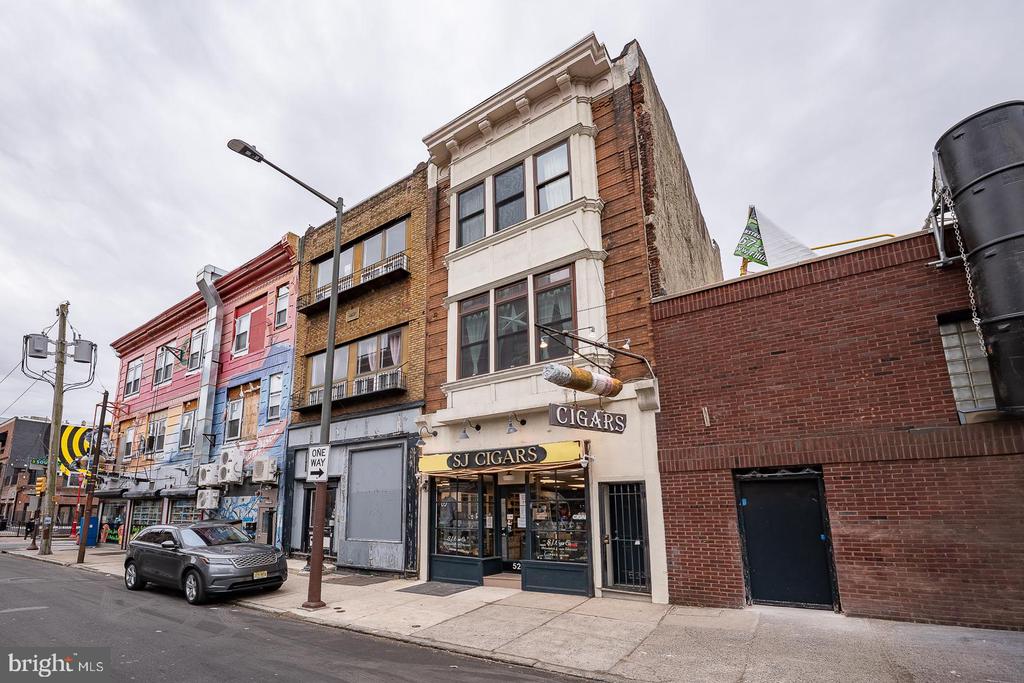
Queen Village is a residential neighborhood of Philadelphia, Pennsylvania that lies along the eastern edge of the city, immediately south of Center City. It shares boundaries with Society Hill to the north, Bella Vista to the west and Pennsport to the south. Historically, the area is part of old Southwark, Philadelphia's first suburb which was incorporated into the city in 1856 and remains the city's oldest residential neighborhood. Street boundaries are the south side of Lombard Street to the north side of Washington Avenue, Front Street to 6th Street, encompassing two principle commercial corridors, South Street and Fabric Row on 4th Street.
The earliest European settlements in Queen Village were part of "New Sweden" in a region inhabited by indigenous Lenni Lenapi who themselves called the area "Wiccaco", or "Pleasant Place". New Sweden was contested by England, the Netherlands, and Sweden for several decades before large tracts of it came under British control as part of the 1681 land charter granted to William Penn, who renamed Philadelphia's first suburban settlement from "Wiccaco" to "Southwark," after a district in London. The best-known extant structure from this period is Old Swedes' Church (Gloria Dei) at Christian Street and Washington Avenue. Originally built as a block-house against the Lenape, the church was completed in 1700 and is now the oldest surviving building within Philadelphia.
Despite Penn's planned orderly east-to-west filling of the city, new inhabitants tended to stay close to the Delaware River, preferring to subdivide Penn's original ample lots or move just south or north of the city rather than west beyond 4th Street. To meet spill-over demand, Queen Village builders constructed homes cheaply from wood, although this had been outlawed due to fires within the city limits by 1796. Only a few wood plank front homes survive in Queen Village along the blocks of 800 South Hancock Street, 200 Christian Street, and 100 League Street. The Village diverged from the colonial city in cultural matters as well. Since Quakers forbid theater within the city limits, Queen Village, which offered a conveniently close strip for theaters to operate, was home to the first permanent playhouse in 1766 on South Street.
By 1830, Queen Village as well as the southern parts of Southwark contained a thriving community of 20,000 who made their living as weavers, tailors, ship builders, mariners or as machinists and black smiths in iron foundries. Military industry was also present, including the Shot Tower, a munitions plant built for the War of 1812 and the US Naval Ship Yard, just south of Washington Avenue. Economic rivals clashed in the 1840s and 50s through opposing Labor Unions, street gangs and the notorious Southwark fire companies, most of which headquartered along Catharine and Queen Streets. After the district was formally consolidated into the City of Philadelphia in 1856, a beefed-up and centralized police force was deployed to contain mayhem fueled largely by economic competition.
By the 1890s, an Eastern European Jewish population settled along the South Street and 4th Street commercial corridors, the latter of which became Philadelphia's Fabric Row, and a significant number of Poles settled along the waterfront as dockworkers; large numbers of Italians began arriving and settling in Queen Village and South Philadelphia after 1910. Severe overcrowding resulted in poor local housing conditions which were countered by well-intentioned housing reform efforts, including the still-active Octavia Hill Association.
In the first half of the 20th century, Queen Village had grown into a racially and ethnically diverse neighborhood of merchants and laborers living in dense enclaves, not unlike New York's Lower East Side. The worst aspects of the neighborhood between the wars are forever etched in the hyperbolic pulp noir novels of David Goodis.
South Street's commercial revival began with a few anchor businesses like Eye's Gallery, JC Dobbs, and The Theater of the Living Arts, ramping up through a gritty punk phase into the restaurant/club/retail pastiche that exists today and extends fingers into Head House Square and 4th Street. In 1972, the National Register of Historic Places designated Lombard to Catherine, 5th to Front Street with a bump-out from Front to Delaware between Catherine and Washington (where Old Swede's Church is located) as a historic district. Urban pioneers in the 70's and 80's have since been joined by gentrifiers in extensive redevelopment, rehabiliation, and new construction throughout Queen Village, which was renamed after the Queen of Sweden to acknowledge the neighborhood's earliest inhabitants. Today, the South Street-Head House District represents upward of 300 cafes, restaurants, entertainment venues, and shops and Queen Village is home to some 7000 families whose median income and home values are among the highest in the city. The district is served by the very well-organized Queen Village Neighborhood Association.
800 extant Queen Village buildings are listed in the Philadelphia Historical Register. Notable highlights include:
The Nathaniel Irish House, Widow Maloby's Tavern, William M. Meredith School, Capt. Thomas Moore House, Robert Ralston School, and South Front Street Historic District are listed on the National Register of Historic Places. The Gloria Dei (Old Swedes') Church is a National Historic Landmark.
9,067 people live in Queen Village, where the median age is 35 and the average individual income is $100,592. Data provided by the U.S. Census Bureau.
Total Population
Median Age
Population Density
Average individual Income
There's plenty to do around Queen Village, including shopping, dining, nightlife, parks, and more. Data provided by Walk Score and Yelp.
Explore popular things to do in the area, including Wholesome Deli and Grill, Kabylia, and Granny Pannies Pancakes.
| Name | Category | Distance | Reviews |
Ratings by
Yelp
|
|---|---|---|---|---|
| Dining | 0.18 miles | 2 reviews | 2/5 stars | |
| Dining | 0.19 miles | 1 review | 3/5 stars | |
| Dining | 0.25 miles | 2 reviews | 3/5 stars | |
| Shopping | 0.25 miles | 0 reviews | 0/5 stars | |
| Shopping | 0.27 miles | 0 reviews | 0/5 stars | |
| Shopping | 0.28 miles | 3 reviews | 5/5 stars | |
| Beauty | 0.17 miles | 86 reviews | 3.7/5 stars | |
| Beauty | 0.19 miles | 2 reviews | 2/5 stars | |
| Beauty | 0.25 miles | 0 reviews | 0/5 stars | |
| Beauty | 0.27 miles | 50 reviews | 3.5/5 stars | |
|
|
||||
|
|
||||
|
|
||||
|
|
||||
|
|
||||
|
|
Queen Village has 4,637 households, with an average household size of 2. Data provided by the U.S. Census Bureau. Here’s what the people living in Queen Village do for work — and how long it takes them to get there. Data provided by the U.S. Census Bureau. 9,067 people call Queen Village home. The population density is 42,770 and the largest age group is Data provided by the U.S. Census Bureau.
Total Population
Population Density Population Density This is the number of people per square mile in a neighborhood.
Median Age
Men vs Women
Population by Age Group
0-9 Years
10-17 Years
18-24 Years
25-64 Years
65-74 Years
75+ Years
Education Level
Total Households
Average Household Size
Average individual Income
Households with Children
With Children:
Without Children:
Blue vs White Collar Workers
Blue Collar:
White Collar:
Explore Other Neighborhoods
OFFICES:
OFFICES: