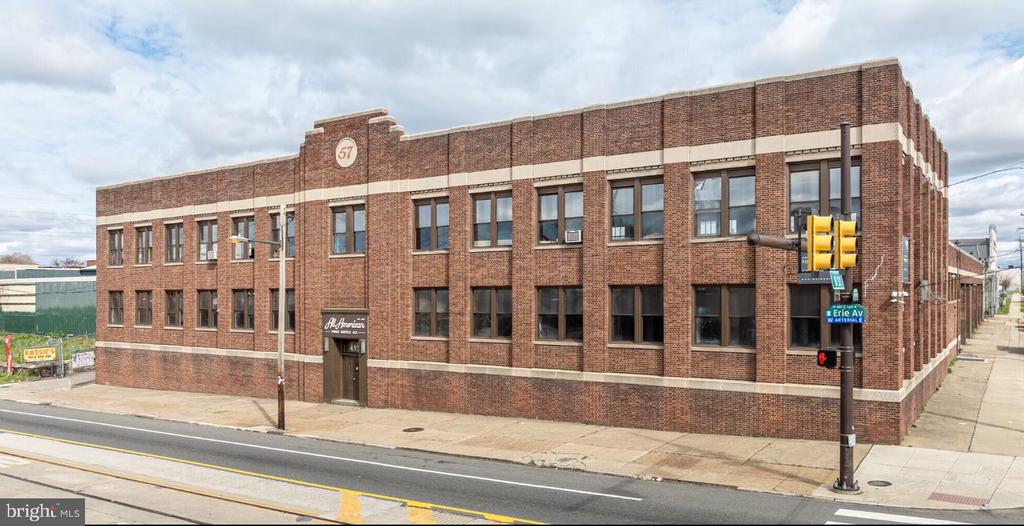
Offices:
Welcome to
Germantown
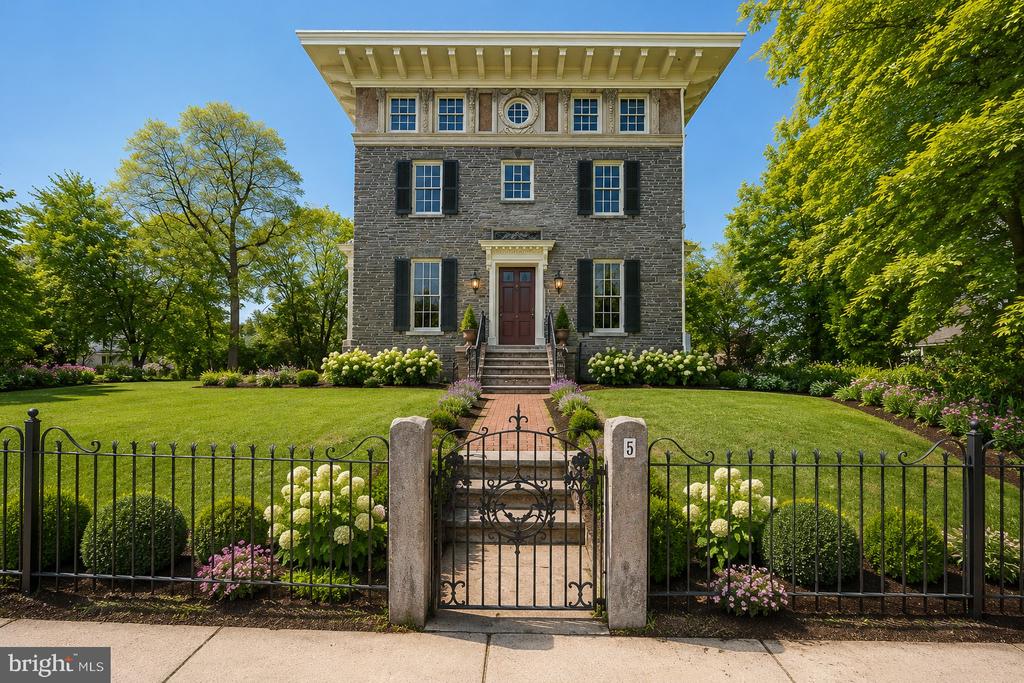
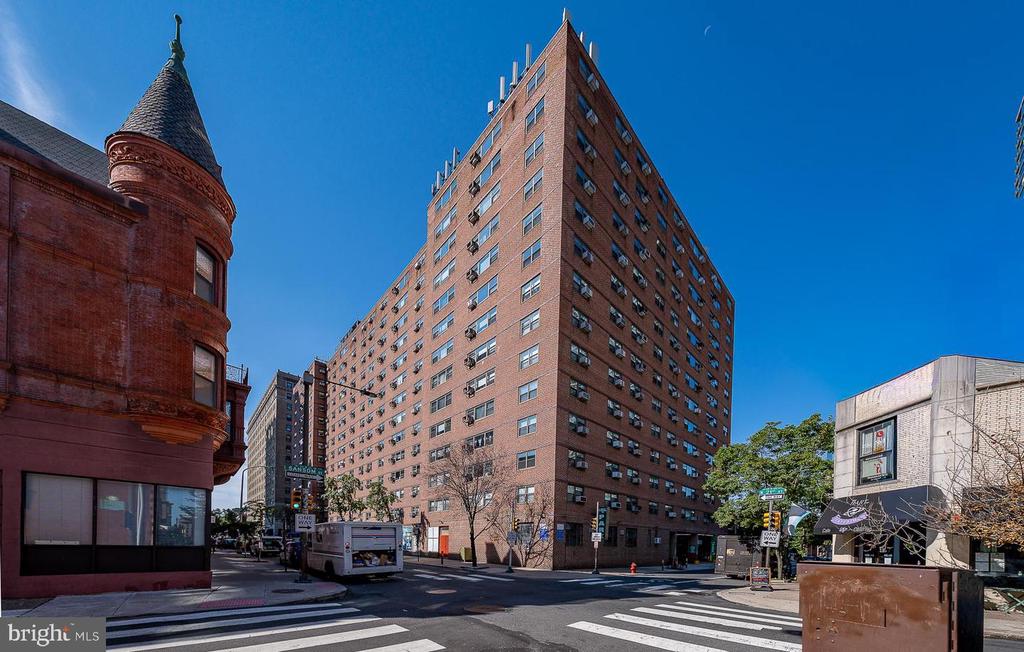
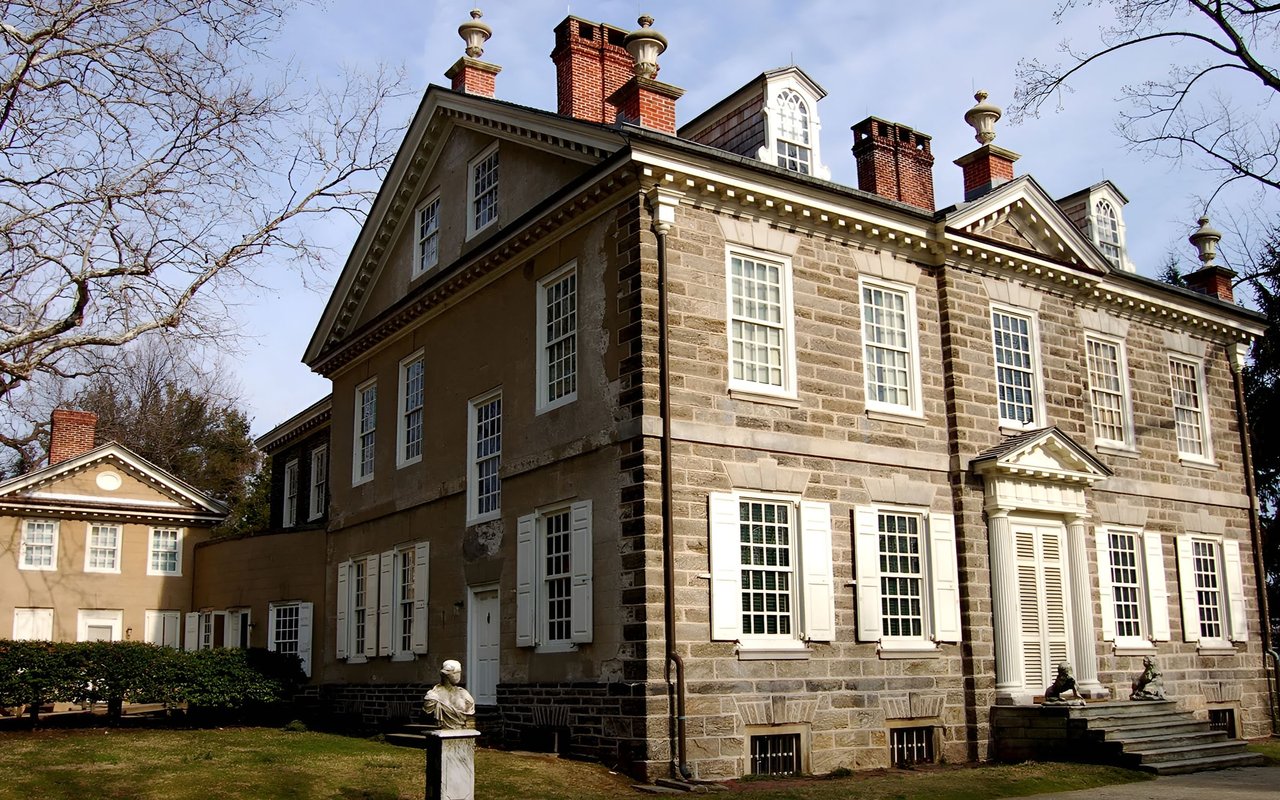
The neighborhood is rich in historic sites and buildings from the colonial era, which are open to the public.
Germantown is a neighborhood in the northwest section of the city of Philadelphia, Pennsylvania, United States, about 7–8 miles northwest from the center of the city. The neighborhood is rich in historic sites and buildings from the colonial era, a few of which are open to the public. Germantown stretches for about two miles along Germantown Avenue northwest from Windrim and Roberts Avenues. The boundaries of Germantown borough at the time it was absorbed into the city of Philadelphia were Wissahickon Avenue, Roberts Avenue, Wister Street, Stenton Avenue and Washington Lane. Today, the next neighborhood to the northwest, Mount Airy, starts around Johnson Street, although there is no universally recognized exact boundary. Nicetown lies to the south and Logan, Ogontz, and West Oak Lane lie to the east.
Germantown was founded by German settlers, thirteen Quaker and Mennonite families from Krefeld (Germany), in 1681. Today the founding day of Germantown on October 6, 1683, is remembered as German-American Day, a holiday in the United States, observed annually on October 6. On August 12, 1689, William Penn at London signed a charter constituting some of the inhabitants a corporation by the name of "the bailiff, burgesses and commonalty of Germantown, in the county of Philadelphia, in the province of Pennsylvania." Francis Daniel Pastorius was the first bailiff. Jacob Telner, Derick Isacks op den Graeff and his brother Abraham Isacks op den Graeff, Reynier Tyson, and Tennis Coender were burgesses, besides six committeemen. They had authority to hold "the general court of the corporation of Germantowne", to make laws for the government of the settlement, and to hold a court of record. This court went into operation in 1690, and continued its services for sixteen years. Sometimes, to distinguish Germantown from the upper portion of German township, outside the borough, the township portion was called Upper Germantown.
In 1688, five years after its founding, Germantown became the birthplace of the anti-slavery movement in America. Pastorius, Gerret Hendericks, Derick Updegraeff and Abraham Updengraef gathered at Thones Kunders's house and wrote a two-page condemnation of slavery and sent it to the governing bodies of their Quaker church, the Society of Friends. The petition was mainly based upon the Bible's Golden Rule, "Do unto others as you would have them do unto you." Though the Quaker establishment took no immediate action, the 1688 Germantown Quaker Petition Against Slavery, was a clear and forceful argument against slavery and initiated the process of banning slavery in the Society of Friends (1776) and Pennsylvania (1780).
When Philadelphia was occupied by the British during the American Revolutionary War, British units were housed in Germantown. In the Battle of Germantown, in 1777, the Continental Army attacked this garrison. During the battle, a party of citizens fired on the British troops, as they marched up the avenue, and mortally wounded British Brigadier General Agnew. The Americans withdrew after firing on one another in the confusion of the battle, leading to the determination that the battle resulted in a defeat of the Americans. However, the battle is sometimes considered a victory by Americans. The American loss was 673 and the British loss was 575, but along with the Army's success under Brigadier General Horatio Gates at Saratoga on October 17 when John Burgoyne surrendered, the battle led to the official recognition of the Americans by France, which formed an alliance with the Americans afterward.
During his presidency, George Washington and his family lodged at the Deshler-Morris House in Germantown to escape the city and the yellow fever epidemic of 1793. The first bank of the United States was also located here during his administration.
Germantown proper, and the adjacent German Township, were incorporated into the City of Philadelphia in 1854 by the Act of Consolidation. Bright April, a 1946 book written and illustrated by Marguerite de Angeli, features scenes of Germantown of the 1940s while addressing the divisive issue of racial prejudice experienced by African Americans, a daring topic for a children's book of that time.
Between 1954 and 1956 Germantown experienced an influx of African Americans, resulting in a decline in property values and triggering a "white flight" of the majority of white residents to the suburbs. Eugene Stackhouse, a retired former president of the Germantown Historical Society says that the transition of Germantown into a more diverse and ethnic neighborhood was the result of the now illegal practice of blockbusting. "It was a great disgrace. Cheap houses would be sold to a black family, then the realtors would go around and tell the neighbors that the blacks are invading," said Stackhouse.
The current demography of Germantown reflects this shift. As of the 2010 US Census, Germantown is 77.2% black and 15.2% white, 3.2% non-white Hispanic, and 1.5% Asian.
Other sites listed separately on the NRHP:
8,868 people live in Germantown, where the median age is 36 and the average individual income is $24,211. Data provided by the U.S. Census Bureau.
Total Population
Median Age
Population Density
Average individual Income
There's plenty to do around Germantown, including shopping, dining, nightlife, parks, and more. Data provided by Walk Score and Yelp.
Explore popular things to do in the area, including Pizza Delight.
Germantown has 3,820 households, with an average household size of 2. Data provided by the U.S. Census Bureau. Here’s what the people living in Germantown do for work — and how long it takes them to get there. Data provided by the U.S. Census Bureau. 8,868 people call Germantown home. The population density is 23,958 and the largest age group is Data provided by the U.S. Census Bureau.
Total Population
Population Density Population Density This is the number of people per square mile in a neighborhood.
Median Age
Men vs Women
Population by Age Group
0-9 Years
10-17 Years
18-24 Years
25-64 Years
65-74 Years
75+ Years
Education Level
Total Households
Average Household Size
Average individual Income
Households with Children
With Children:
Without Children:
Blue vs White Collar Workers
Blue Collar:
White Collar:
Explore Other Neighborhoods

OFFICES:
OFFICES: