Offices:
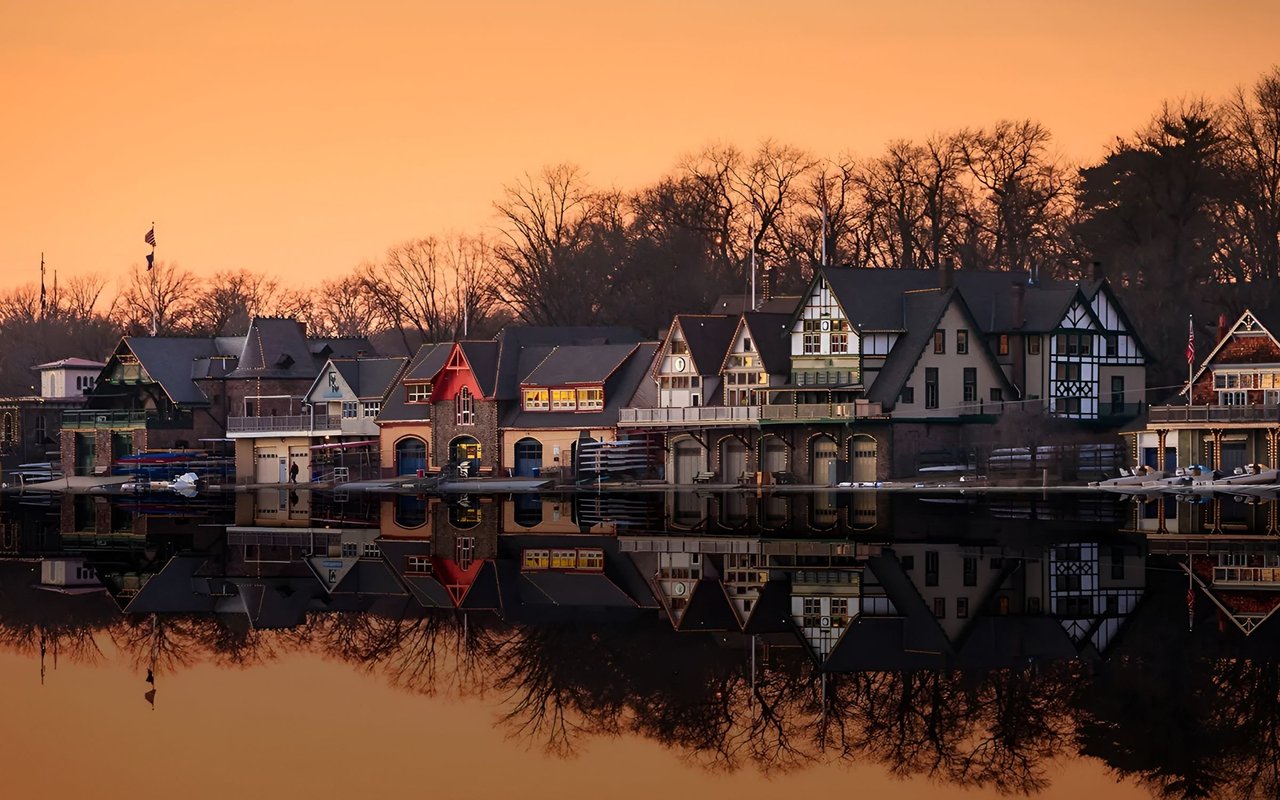
Welcome to
Fairmount
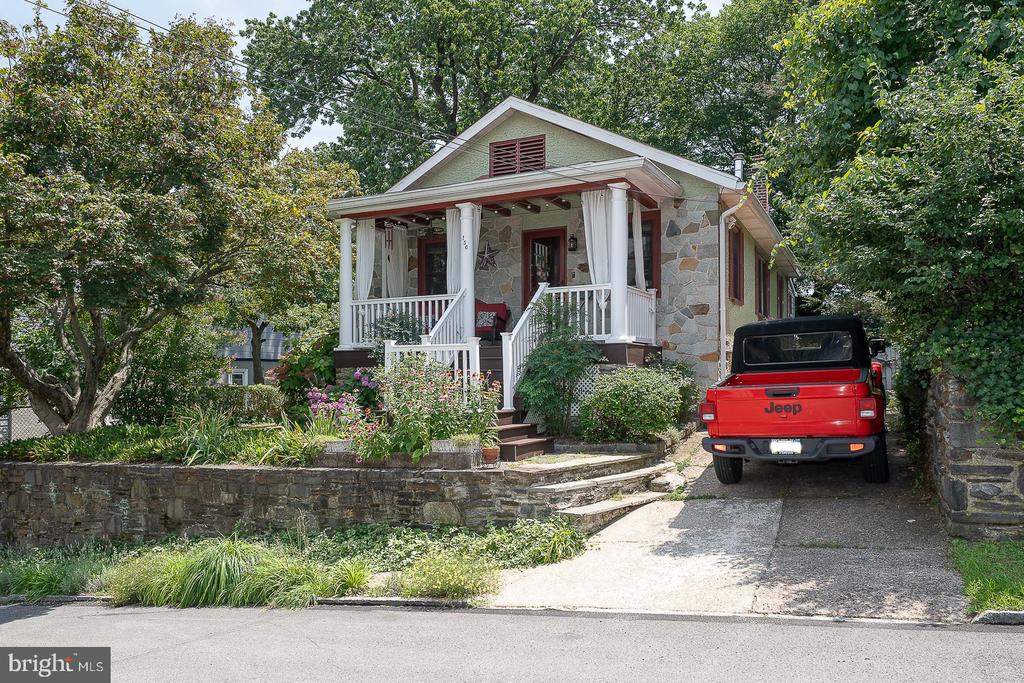
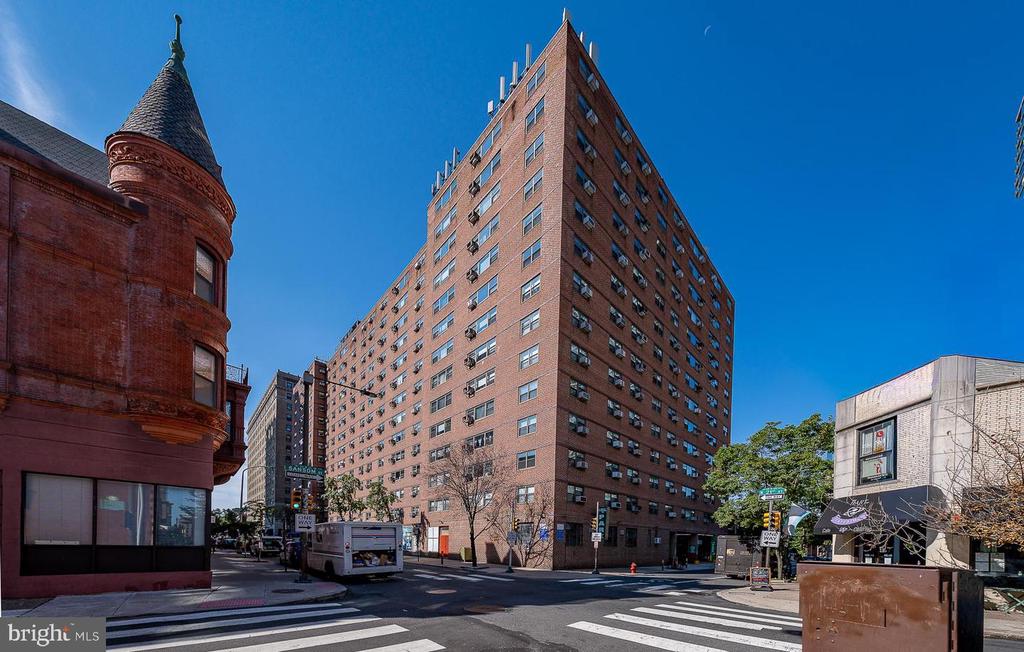
Street parking is currently a problem due to the high demand for real estate in the neighborhood.
A handful of European settlers farmed the area in the 17th century, 18th century and early 19th century, when Fairmount was still outside Philadelphia's city limits. Prominent city families established countryseats there as well, including Bush Hill, White Hall, and Lemon Hill, the last of which still stands overlooking the Schuylkill. Fairmount was originally in Penn Township, which was subsequently divided, putting the future neighborhood in the newly created Spring Garden District until 1854 when it was incorporated into the City of Philadelphia.
Signs of urban expansion appeared in the early 19th century, when three large, innovative, and internationally recognized institutions were located in the district.
The first of these was the Fairmount Dam and Water Works at the foot of Fairmount hill. Beginning in 1822, the Water Works used waterpower to pump water from the Schuylkill River into reservoirs on the top of Fairmount hill, from where it flowed by gravity into city homes and businesses.
The other was Eastern State Penitentiary, less than half a mile away on Fairmount Avenue. The prison opened in 1829, the first prison in the country built specifically with the intention of reforming rather than simply punishing criminals. The prison's hub-and-spoke layout was also a first, and became the model for hundreds of prisons around the world.
In 1831, these two innovative institutions were joined by a third: Girard College. This school was founded in accordance with the will of Stephen Girard, possibly the wealthiest man in America at the time of his death. Himself an orphan, he wanted to create a model institution for educating poor orphaned white boys at a time when universal public education did not yet exist.
Fairmount continues to be one of Philadelphia’s most desirable neighborhoods owing its location near the Philadelphia Museum of Art, its famous “Rocky Steps” (immortalized in the 1976 Academy Award film, “Rocky”) and its new Perelman Annex, Fairmount is located at the end of the Benjamin Franklin Parkway, a broad 1.5 mile tree and flag-lined avenue that connects City Hall to the Philadelphia Museum of Art. This stretch is known as the “Museum District” since most of the city’s cultural attractions and museums are located here. Along the Parkway are the Rodin Museum, Philadelphia’s Central Library, the Franklin Institute of Science, the Academy of Natural Sciences and the soon to be relocated Barnes Museum. The city’s panoramic skyline is best viewed from the steps of the Art Museum. Street parking is currently a problem due to the high demand for real estate in the neighborhood.
Irish and German immigrants and their descendants made up the most significant part of the population of Fairmount. In 1839, St. Francis Xavier Church (and its elementary school in 1922) was built to serve Catholics in the community, while a variety of Protestant churches, particularly on the eastern end of the neighborhood, served a variety of denominations. St Francis Xavier Church and school continues to serve the community located at 24th and Green Streets, its spire being clearly visible from the steps of the Art Museum. Early in the 20th century, Polish and Ukrainian immigrants moved into the neighborhood where they became a significant presence in its northernmost sections. St. Nicholas Ukrainian Catholic Church, a Ukrainian Greek Catholic Church, serves those communities today. St. Hedwigs, a Roman Catholic church for Polish Catholics, closed in 2005 and was demolished in February 2007.
9,975 people live in Fairmount, where the median age is 37 and the average individual income is $78,788. Data provided by the U.S. Census Bureau.
Total Population
Median Age
Population Density
Average individual Income
There's plenty to do around Fairmount, including shopping, dining, nightlife, parks, and more. Data provided by Walk Score and Yelp.
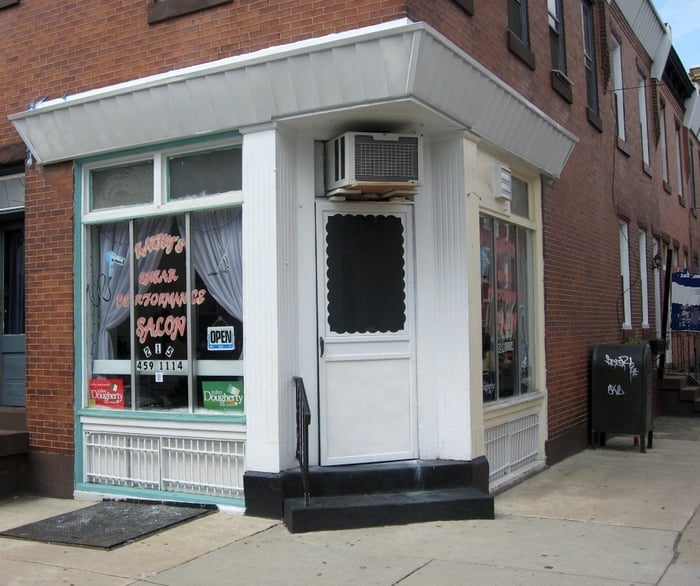
Explore popular things to do in the area, including Kathy's Shear Performance Salon.
Fairmount has 4,912 households, with an average household size of 2. Data provided by the U.S. Census Bureau. Here’s what the people living in Fairmount do for work — and how long it takes them to get there. Data provided by the U.S. Census Bureau. 9,975 people call Fairmount home. The population density is 50,589 and the largest age group is Data provided by the U.S. Census Bureau.
Total Population
Population Density Population Density This is the number of people per square mile in a neighborhood.
Median Age
Men vs Women
Population by Age Group
0-9 Years
10-17 Years
18-24 Years
25-64 Years
65-74 Years
75+ Years
Education Level
Total Households
Average Household Size
Average individual Income
Households with Children
With Children:
Without Children:
Blue vs White Collar Workers
Blue Collar:
White Collar:
Explore Other Neighborhoods
OFFICES:
OFFICES: