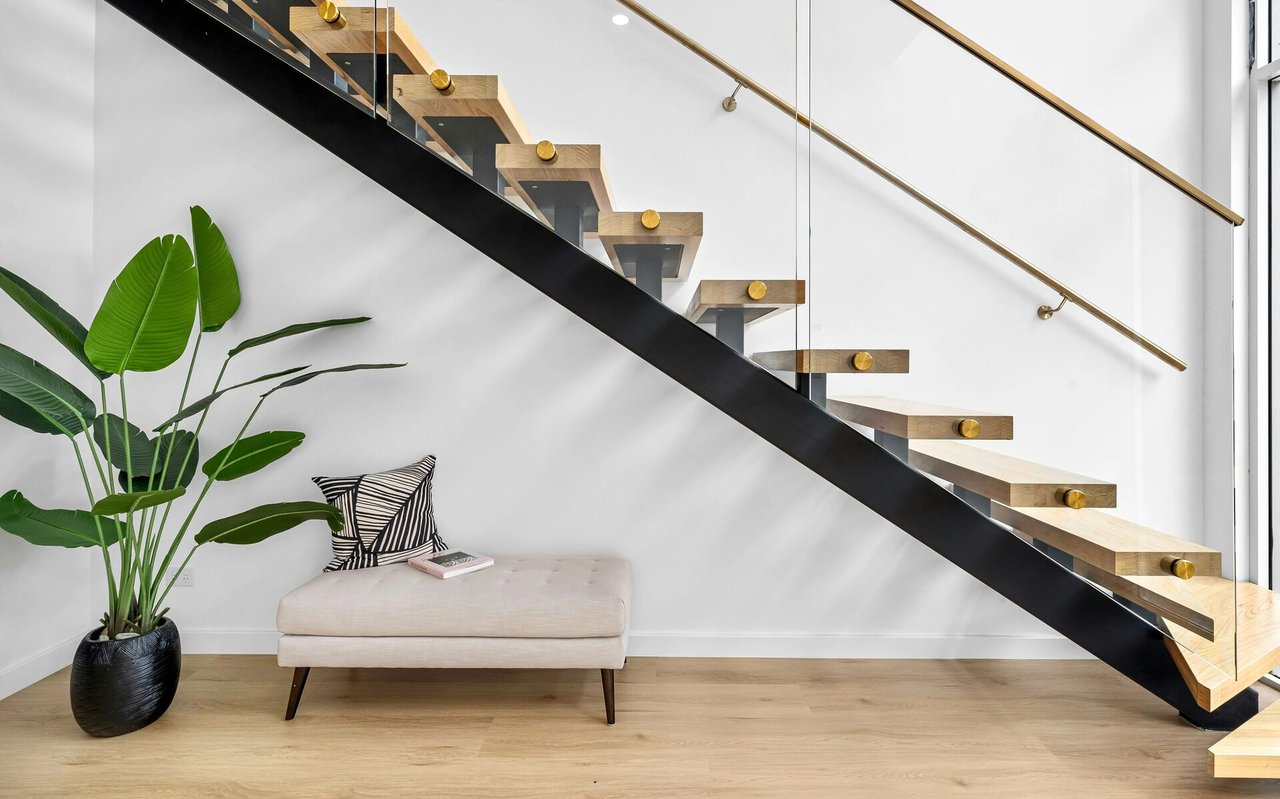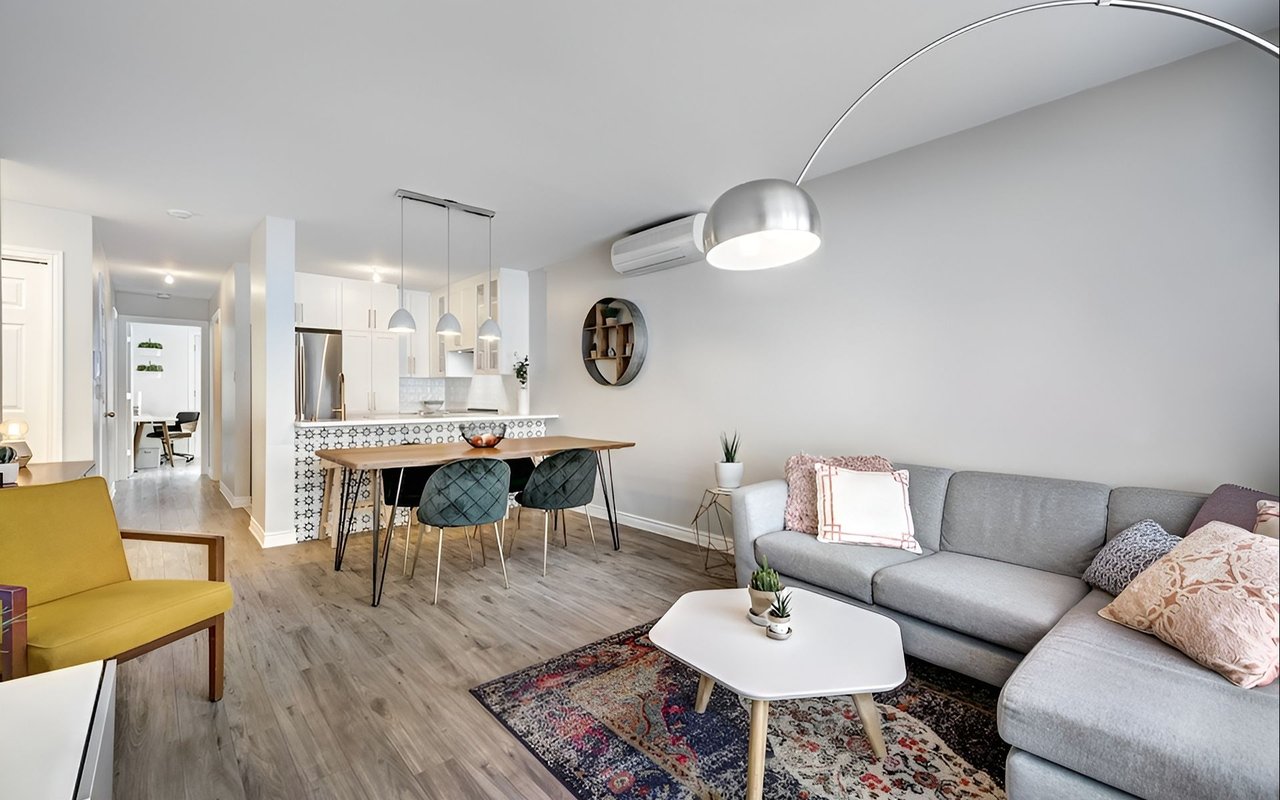
When it comes to selling a home, size matters—but perception matters even more. If you’re working with a small space, there’s good news: with the right strategies, you can make your home feel much larger than it actually is. It’s all about maximizing space, minimizing clutter, and using visual tricks that leave a lasting impression.
Here are some tried-and-true tips to help small homes feel big and bright to potential buyers:
- Declutter Ruthlessly: The first step to opening up any space is getting rid of the excess. That means removing unnecessary furniture, personal items, and anything that makes the room feel cramped. Go for a minimalist vibe—less is definitely more.
- Use Light Colors and Natural Light: Bright, neutral paint colors like whites, creams, and soft grays make a space feel open and airy. Dark shades can shrink a room, while light reflects more natural light, making everything feel more expansive. Maximize natural light by keeping window treatments simple or sheer.
- Mirrors Are Magic: Strategically placed mirrors can double the visual size of a room. Hang a large mirror opposite a window to reflect light and create the illusion of depth. It’s an easy and affordable way to add brightness and space.
- Furniture That Fits (and Floats): Scale matters. Choose furniture that suits the size of the room—oversized couches and bulky pieces can overwhelm a small space. And don’t be afraid to float furniture away from walls; giving pieces some breathing room can actually make the room feel larger.
- Create Clear Zones: Open-concept layouts are popular, but undefined spaces can feel chaotic. Use rugs, lighting, and furniture placement to define distinct areas (like dining, relaxing, or working). When buyers can see how every inch of space can be used, the home feels more functional and spacious.
- Keep It Cohesive: A unified color scheme throughout the home helps create flow, which visually expands the space. Avoid jarring transitions between rooms—opt for similar tones and materials to maintain a harmonious feel.
- Go Vertical: Use vertical space to your advantage. Tall bookcases, vertical storage solutions, and wall-mounted shelves draw the eye upward, giving the impression of higher ceilings and more volume.
- Stage for Lifestyle: Help buyers envision themselves living in the space. A cozy reading nook, a tidy home office corner, or a well-organized kitchen setup can help them see that small doesn’t mean sacrificing comfort or style.
Final Thoughts
Even the smallest home can make a big impact when staged correctly. By making smart design choices and highlighting the home’s strengths, you can create a space that feels welcoming, open, and full of potential—no square footage required.
Compliments of Virtual Results