
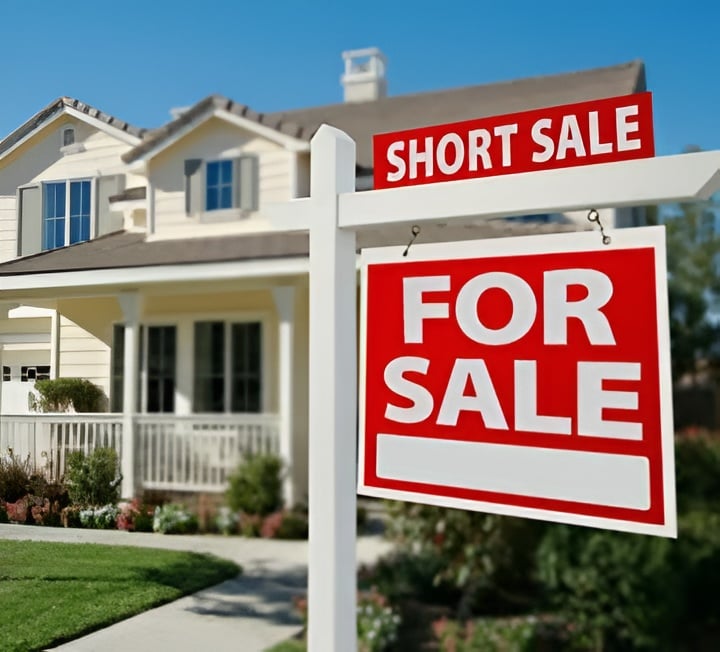
Short sales were fairly common during the Great Recession. Although there are fewer short sales on the market today, it is still one strategy for selling a home. If you’re buying or selling a home, then you may be wondering if this is an avenue you should explore. Here we’ll answer some of your frequently asked questions about short sales.
What Is a Short Sale?
In short, a short sale happens when the lender allows the mortgage to be paid off for less than what is owed on the home. The lender then forgives the remaining amount of the loan. It can only happen with the lender’s permission and when the property value has declined and the owner is financially distressed, resulting in negative equity. It often happens as a way to try to avoid foreclosure.
How Is a Short Sale Different From a Foreclosure?
In a short sale, the owner voluntarily initiates the sale process. However, in a foreclosure, the bank assumes ownership of the home after the owner fails to make payments. The lender then forces the sale process in order to recoup as much of the loan as possible.
Do I Qualify for a Short Sale?
Whether or not you should sell your home through a short sale depends on many factors. If you can’t make your mortgage payments and your home is worth less than what you bought it for, then a short sale may be the best choice. A short sale can help you avoid foreclosure and somewhat preserve your credit.
How Long Does It Take to Close on a Short Sale?
Short sales are complicated transactions. They can take anywhere from a few weeks to a few months to complete. While the process is initiated by the seller, the lender must review everything about the agreement, and ultimately they are responsible for deciding whether or not the sale will go through.
What Should I Know About Short Sales as a Buyer?
It’s important to understand that there are many variables when buying a short sale. While you could score a great deal on a home, you should be aware that these transactions fall through pretty regularly. Much depends on the seller and their financial situation. The lender will also weigh whether or not they’d recoup more of their money through a short sale or a foreclosure. Short sales are sold “as-is” so don’t expect a price reduction if your home inspection uncovers any major problems. While some buyers will purchase a short sale for their primary residence, most buyers of short sales are flippers or developers.
Does a Seller Make Any Money on a Short Sale?
When a lender agrees to a short sale, they will take a loss on the loan. For this reason, unless it is federally sanctioned through a program like HAFA, the seller will not make any money from the sale of the home.
How should I proceed with buying or selling a short sale?
If you think buying or selling a short sale is right for you, then talk to a real estate professional. While this process is typically complex, our experts can help guide you through the process. Contact us today!