
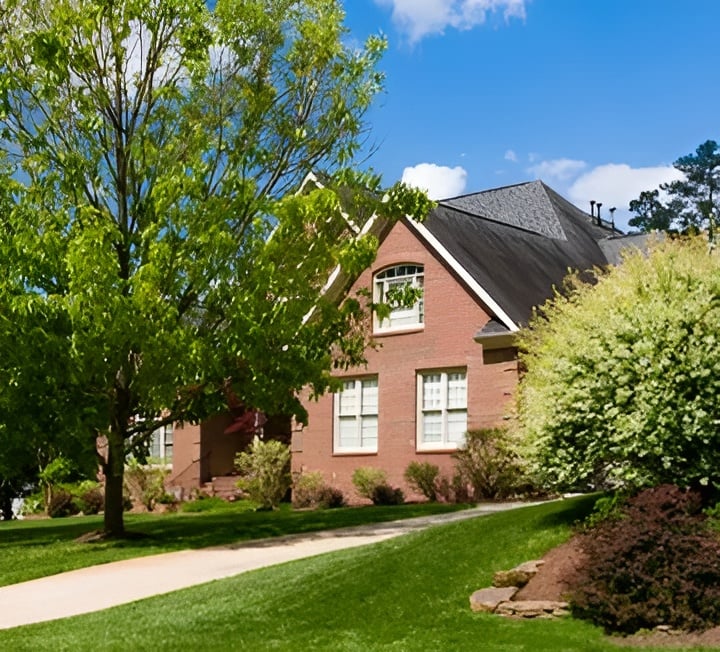
As homeowners, we tend to spend most of our attention on the interiors of our homes. We labor over design decisions such as what color to paint the walls or what style of furniture to have in the living room. But when it comes to our outdoor spaces – especially our landscaping – we often don’t spend the same amount of time making design decisions. But those choices can have a huge impact on our curb appeal and even our quality of life. Trees make the biggest statements in our yards, and figuring out the best species for your landscape can be daunting. After all, it’s a big investment of both time and money. That’s why we’re sharing these simple strategies about how to choose the right tree for your yard.
Understand the Types of Trees
When you start looking at the types of trees you can plant in your yard, it can make your head spin. But trees are generally divided into two categories, which will make your decision easier right away. Ornamental trees are smaller trees that grow to less than 30 feet tall and 20 feet wide. Shade trees, on the other hand, can grow up to 60 feet tall and wide – or more.
Know How Much Space You Have to Work With
When choosing a tree, you need to know how much space you’re working with. Trees come in all shapes and sizes, and some trees can reach 100 feet tall – or taller! Choosing a tree that fits comfortably in your space is important. Think about the width, taking care not to plant too close to buildings, fences, or sidewalks. Also, think about the height, and make sure you aren’t planting a tall tree under power lines. Knowing how much space you have will help you decide between an ornamental or a shade tree.
Know What You Want Your Tree to Provide
What do you want your tree to do? Should it provide shade for a patio? Will it block an unpleasant view? Do you want it to attract wildlife? Would you like it to provide flowers in spring or vibrant color in fall? Deciding on how you would like your tree to function in your yard will also help you narrow down your choices.
Know Your Growing Conditions
Next up, know what your growing conditions are in your yard. What USDA hardiness zone are you in? That will help narrow down trees that can survive the winter in your area. Also, look at how much sun or shade the space gets as well as rainfall and soil type. Different trees require different conditions and knowing your growing conditions will help you make the right choice.
Don’t Forget About Winter
Finally, don’t forget about winter when you’re choosing a tree for your yard. While we tend to focus on what the tree will provide in spring, summer, and fall, knowing what it will look like in winter is also important. If you want to create privacy year-round, then you’ll need to choose an evergreen tree that doesn’t lose its leaves in winter.